In short: You can get pregnant after ovulation only for about 12 to 24 hours, while the egg is still alive. Your real fertile window is about six days: the five days before ovulation plus ovulation day, because sperm can survive up to about five days. That’s why trying in the days before ovulation matters more than trying after it.
If you’ve been timing everything perfectly, the ovulation strips, the apps, the exact day, and you’re still staring at a negative test wondering if you missed your window, this post is for you. The number one timing question I’m asked is: can you get pregnant after ovulation? The honest answer is part yes, part no, and the part nobody explains may be costing you months.
I’ve helped women and couples conceive since 2001, and I had my own son at 42. Let me show you what your fertile window really is, and the one thing that matters more than perfect timing after 35.
Prefer to watch? Here is my video on this topic: TTC: Fertility Window – Can You Get Pregnant After Ovulation?
What is the fertile window, really?
Most women picture their fertile window as a single golden day. It isn’t. Your fertile window is about six days: the five days leading up to ovulation, plus ovulation day itself. It stretches backward, not forward, because of how long each player lives.
- Sperm are the marathon runners. In fertile cervical mucus, sperm can survive inside your body for up to about five days, waiting.
- The egg is a sprinter. Once it’s released, it’s viable for only about 12 to 24 hours.
So the magic isn’t sperm meeting egg at the same second. It’s having sperm already waiting when the egg drops. Think of planting seeds a few days before the rain comes, so the soil is ready the moment the water arrives.
So can you get pregnant after ovulation?
Yes, but only briefly. Once you’ve ovulated, your chance lasts only as long as the egg is alive, roughly 12 to 24 hours. Intercourse in the day right after ovulation can still lead to pregnancy. Beyond that first day, that cycle’s window has closed.
Here’s the catch that trips up so many women: most tracking tools tell you about ovulation after it happens.
- A temperature rise confirms ovulation in the rear-view mirror.
- An ovulation strip catches the hormone surge shortly before the egg is released, which means the best days to have been trying were the ones just before.
If you’ve been waiting for the positive test and then starting to try, you may be arriving a day or two late, planting the seeds after the rain has passed. The fix is shifting your effort earlier, into those fertile days before ovulation.
Why isn’t perfect timing enough after 35?
I meet so many women who have turned their fertile window into a military operation and still aren’t pregnant. After about 35, timing is only half the equation. The other half is the quality of the egg that shows up when you nail the timing.
My core message here is simple: you cannot out-time a tired egg. Perfect timing puts the right team on the field. Egg quality decides whether that team is ready to play.
The hopeful part is that quality is the piece you can still influence, because the egg you’ll ovulate about 90 days from now is developing right now. So if you’ve been white-knuckling the calendar, move some of that energy off the when and onto the what: the health of the body those eggs are growing in.
How do you read your own fertile window?
The standard “day 14” advice is built for a textbook 28-day cycle most real women don’t have. Here’s how to read yours:
- Watch your cervical mucus. As ovulation approaches, it turns clear, stretchy and slippery, like egg white. That’s your green flag to be trying, before any strip turns positive.
- Treat a positive strip as “go earlier next time.” The surge means the egg is coming, so the ideal days were just before it.
- Layer in your pattern. Scant or dry fluid, a very short cycle, or a window that barely opens often points to a dry, depleted body; the well is running low. A late, sluggish, hard-to-read ovulation can point to a body that runs cold and slow. Same “timing problem,” completely different root, and a completely different fix.
This is why I call myself a Fertility Detective instead of handing everyone the same calendar. Your fertile window isn’t a date on an app. It’s a story your body is telling.
What matters more than perfect timing?
Consistency over precision. Many fertility guidelines recommend intercourse every two to three days across the cycle instead of aiming for a single day, because that rhythm keeps healthy sperm waiting so you’re far less likely to miss the window.
If daily tracking is stealing your joy and turning your bedroom into a lab, you have my permission to loosen the grip. Aim for that every two to three day rhythm through your fertile week, support the body your eggs are growing in, and let your body do what it’s designed to do. Timing you can relax. Quality you can build.
If you’re doing IUI, IVF or a frozen embryo transfer, your clinic manages the timing for you. Chinese medicine works alongside your clinic, never instead of it, and I stop herbs once fertility medications begin.
Frequently asked questions
How many days after ovulation can you get pregnant?
About one day. The egg lives roughly 12 to 24 hours after it’s released, so the chance of pregnancy drops sharply after that.
What is the best day to get pregnant?
Research suggests the highest chances fall in the two days before ovulation and on ovulation day itself. Fertile, egg-white cervical mucus is a good sign you’re in those days.
Can you get pregnant two days after ovulation?
It’s very unlikely, because the egg usually isn’t viable by then. If you think you conceived later, ovulation may simply have happened later than your app predicted.
Does a positive ovulation test mean I already ovulated?
No. A positive test detects the hormone surge that usually comes shortly before ovulation. It’s a sign to be trying now, and a reminder that the days before also count.
About the author: Dr. Gina Terinoni, DACM
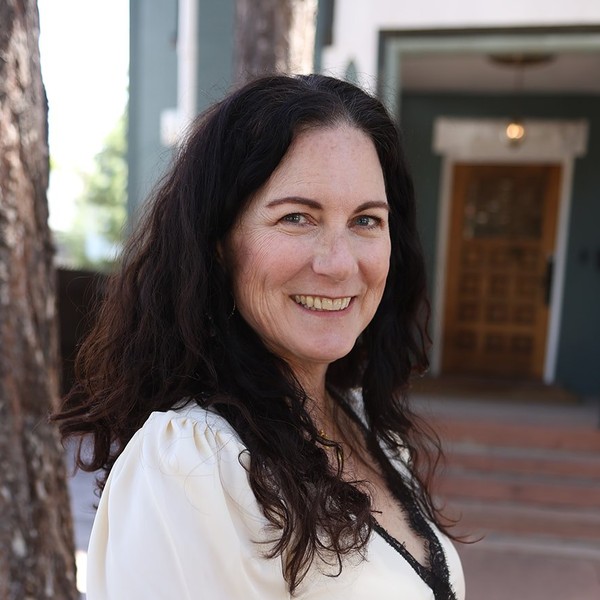
Dr. Gina Terinoni is a Doctor of Chinese Medicine (DACM), certified in integrative medicine through Dr. Aviva Romm’s Women’s Integrative and Functional Medicine program. She has helped more than 2,000 women and couples on their fertility journeys since 2001, and she had her own son at 42. More about Dr. Gina.
Want help reading your own window?
If your timing looks right and you still have questions, your Reveal is the place to start. You send me your intake and tongue photos, I record a personal audio review of your fertility pattern, and then we meet for one 30-minute Zoom call to answer your number one question. It’s $297. Learn about your Reveal here.
This article is for education and is not medical advice, diagnosis or treatment. No outcome is guaranteed. Please talk with your own doctor or qualified provider before making changes to your care.


Leave a Reply