In short: Yes, you can still get pregnant during perimenopause as long as you are still having cycles and ovulating some months. The keys are learning to catch the cycles when you do ovulate, building egg quality over the next 90 days, and matching your support to your own body’s pattern instead of following generic advice.
If you’re in your forties, your cycles are getting a little unpredictable, and a doctor has hinted that your window is basically closing, I want you to hear this: you can still get pregnant in perimenopause. Knowing how to get pregnant during perimenopause is not about random luck. There are specific things that tip the odds in your favor.
I’ve been helping women and couples conceive since 2001, and I had my own son at 42. When perimenopause symptoms started showing up for me, I wanted to keep that window open. I didn’t try harder every day. I addressed my daily symptoms with lifestyle changes, specific foods, better sleep and less stress. Here are the seven keys I teach, and the seventh is the one almost every woman skips.
Prefer to watch? Here is my video on this topic: 7 Keys to Get Pregnant During Perimenopause.
Is perimenopause the same as menopause?
No, and this one word confuses almost everyone. Menopause is one full year with no period. That is when the door is closed. Perimenopause is the transition leading up to it, and it can last several years.
This is what matters most: during perimenopause you are still cycling, and if you’re cycling, you are still ovulating, at least some months. Where there’s ovulation, there is possibility. This isn’t false hope. It’s biology most women were never told about.
What are the 7 keys to getting pregnant during perimenopause?
Key 1: Confirm you’re still ovulating
In perimenopause, ovulation becomes irregular, not absent. Some cycles you release an egg and some you don’t. Your job is to find the ones you do. Watch for:
- Fertile cervical mucus mid-cycle: clear, stretchy and slippery, like raw egg white
- A sustained rise in your basal body temperature after ovulation
- That familiar mid-cycle twinge on one side
Think of it like fishing. The fish are still in the lake; they’re just not biting every day. You don’t need to ovulate every month. You need to catch the months you do.
Key 2: Shift from egg quantity to egg quality
Stop grieving quantity and start building quality. Yes, your egg reserve is lower in perimenopause. But you have never needed a lot of eggs. You need one good one.
The egg you’ll ovulate about three months from now is developing right now. How you eat, sleep, move and support your body over the next 90 days shapes the eggs you’ll release this season. Research also suggests that a low egg reserve number on its own does not decide whether a woman who is still cycling can conceive naturally. Quantity is the part you can’t change. Quality is the part you can.
Key 3: Warm and move the blood
Your ovaries and uterus are only as healthy as the blood flow feeding them. Picture a garden: the eggs are the seeds, and blood flow is the irrigation. In perimenopause, circulation to the pelvis often gets sluggish and the body runs cooler. So we warm and we move: gentle daily walking, keeping your lower belly and feet warm, castor oil packs, and cooked, warming foods instead of a fridge full of cold, raw ones.
Key 4: Steady your blood sugar and lower inflammation
Every blood sugar spike and crash sends a hormonal shockwave through your system, and chronic inflammation is like rust on the machinery your eggs depend on. The fix isn’t a crash diet. Eat protein and healthy fat with every meal, plus colorful vegetables, omega-3 rich fish and olive oil. Research suggests this Mediterranean-style, anti-inflammatory way of eating is associated with better fertility. You’re creating a calm, nourished place for this season’s eggs to mature.
Key 5: Protect deep sleep and lower your stress load
Deep sleep is when your body repairs and balances hormones, and in perimenopause sleep is often the first thing to fray. When you’re chronically stressed and under-slept, your body reads it as “this is not a safe time to reproduce.” A real wind-down routine, screens off earlier and daily nervous system care like breathwork or a walk are not a luxury. They are fertility work.
Key 6: Use targeted support, not a shelf of guesses
I see women in perimenopause with a shelf of twelve supplements, more anxious than ever, because deep down they know they’re guessing. Some research suggests CoQ10, a nutrient the egg uses to make energy, may support egg quality, and many women over 40 choose the ubiquinol form. Clear any supplement with your own provider.
But here is my core message: you cannot out-supplement an untreated pattern. Two things that are right for your body beat twelve you read about in a forum.
If you’re preparing for IVF, IUI or a frozen embryo transfer, herbal support belongs in the months before your cycle. I stop herbs once fertility medications begin, and Chinese medicine works alongside your clinic, never instead of it.
Key 7: Know your pattern first (the key everyone skips)
Keys three through six all change depending on your body. A woman who runs hot and dry, with short cycles, little fertile fluid and night sweats, needs almost the opposite support of a woman who runs cold and sluggish, with long, heavy cycles and cold hands and feet. Same age, same goal, opposite plan. Warm the wrong woman, or cool the wrong woman, and you set yourself back with advice that was perfect for someone else. Your pattern is the master key that unlocks the other six.
Where should you start this week?
Pick the one key you’ve been neglecting most. For most women I meet in perimenopause, it isn’t the supplements. It’s the foundation: warmth, sleep and blood sugar. Choose one, do it consistently for the next 90 days while this season’s eggs are developing, then stack the next one on top.
You don’t have to do all seven perfectly tomorrow. You have to do the right ones consistently through one egg development cycle. That’s how “the door is closing” becomes “the door is still open, and I know how to walk through it.”
Frequently asked questions
Can you get pregnant naturally during perimenopause?
Yes, as long as you are still ovulating, which many women in perimenopause still do in some cycles. Ovulation becomes less predictable, so learning your fertile signs and supporting egg quality matter more than ever.
How do I know if I’m still ovulating in perimenopause?
Look for fertile, egg-white cervical mucus mid-cycle, a sustained rise in basal body temperature, and mid-cycle signs like a one-sided twinge. Your doctor can also confirm ovulation with blood work in the second half of your cycle.
Does a low egg reserve mean I can’t get pregnant?
Not on its own. Research suggests a low reserve number does not predict whether a woman who is still cycling can conceive naturally. Egg quality and the health of your body matter a great deal.
When should I see a doctor if I’m trying in my 40s?
Guidelines recommend an evaluation after six months of trying for women 35 and older, and sooner for women over 40. You don’t need to wait to ask for answers.
About the author: Dr. Gina Terinoni, DACM
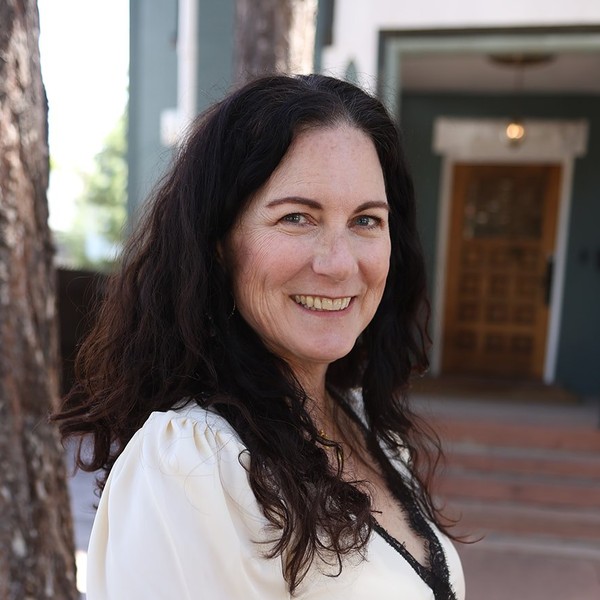
Dr. Gina Terinoni is a Doctor of Chinese Medicine (DACM), certified in integrative medicine through Dr. Aviva Romm’s Women’s Integrative and Functional Medicine program. She has helped more than 2,000 women and couples on their fertility journeys since 2001, and she had her own son at 42. More about Dr. Gina.
Want my eyes on your own pattern?
If you’d like to know which of these keys matters most for your body, your Reveal is the place to start. You send me your intake and tongue photos, I record a personal audio review of your fertility pattern, and then we meet for one 30-minute Zoom call to answer your number one question and to further discuss your next steps on your fertility journey. It’s $297. Learn about your Reveal here.
This article is for education and is not medical advice, diagnosis or treatment. No outcome is guaranteed. Please talk with your own doctor or qualified provider before making changes to your care.


Leave a Reply