In short: Many women do get pregnant over 40 naturally, and the most useful first step is learning which of six body patterns you are in: stuck and stressed, painful and clotted, damp and heavy, cold, dry and hot, or depleted and tired. Each egg matures over about 90 days, so changes matched to your pattern now can support the eggs you release a few months from now.
If you’re searching for how to get pregnant over 40 naturally, you’ve probably been handed one story: your eggs are old, your numbers are low, and IVF is your only shot. It happens more often than you’ve been told, but rarely the way the internet says.
I’ve been helping women and couples get pregnant since 2001, more than 2,000 women and couples in over 25 years. At 35, my own doctor told me it was probably too late. I had my son at 42. So when I tell you that your age or one lab number is rarely the whole story, I’m not saying it to be nice. I lived it.
Can you really get pregnant over 40 naturally?
Yes, it’s possible, and two ideas change how you spend the next three months. The first is the 90-day window. The egg you release this month spent roughly the last three months maturing. Like fruit on a tree, it was shaped by the weather and soil all season. The way you eat, sleep, move and handle stress now lands on the eggs you’ll actually release. Sperm runs on almost the same clock, so this is a project you and your partner do together.
The second is that there is no one fertility diet and no one magic supplement. For most women over 40, fertility isn’t an addition problem. It’s a subtraction problem. You cannot out-supplement an untreated pattern. Less, aimed precisely at your pattern, beats more, scattered.
Action step: List everything you’re taking for fertility and mark which items were chosen for your body and which because someone else swore by them.
What are the six fertility patterns over 40?
Picture your body as a garden. One bed is too dry, one too cold, one waterlogged. One has water that isn’t flowing, one has roots tangled underneath, and one is simply worn out. The same fertilizer won’t help all six. Notice which signs sound most like you.
1. Stuck and stressed
The tell is the two weeks before your period: sore breasts, bloating, irritability, headaches, poor sleep, and then a strange relief when bleeding starts. It’s like a kinked garden hose. Stress hormones can put ovulation on hold, so the goal is to move what’s stuck, not to relax harder.
I’ve worked with night-shift doctors and flight attendants whose cycles became irregular. When we regulated their sleep, their cycles came back, and one was pregnant within four months of starting her herbal medicine. Every woman is different, and I can’t promise that for anyone.
Action step: Take a 10-minute walk without your phone every day, or do five minutes of slow breathing before bed.
2. Painful and clotted
Your periods are truly painful, the blood is dark or full of clots, or you have endometriosis, fibroids or a history of loss. Circulation in your pelvis isn’t moving and clearing well. So we move the blood: gentle daily movement, warmth on the lower belly, leafy greens, beets and omega-3 rich fish or ground flax, with less fried, processed and sugary food.
My very first client, back in 2001, was 41, had endometriosis and had been through eight failed IVFs. We spent months preparing her body, and she was pregnant on her next IVF, about 10 months after we started working together. Every woman is different, and I can’t promise that for anyone.
Action step: Move gently every day, especially in the week or two before your period, and keep your lower belly warm.
3. Damp and heavy
Long cycles, skipped periods, PMOS (PCOS), stubborn weight around the middle, bloating and a foggy, heavy feeling. This is a pattern of too much, not too little, so the plan is to drain and lighten. The biggest lever is steady blood sugar. Pull back on refined sugar, white flour, sweet drinks, greasy takeout and, for many women, dairy. Lean on vegetables, beans, lentils and lean protein. It’s a pattern problem, not a willpower problem.
Action step: Drop your easiest sugar habit this week, often the sweet drink, and add a 20-minute walk after one meal each day.
4. Cold
Cold hands and feet, socks in bed, cramps only a heating pad fixes, low morning energy, and cycles that run long or unpredictable. Your inner warmth is a pilot light turned down, not a furnace that’s gone out. Take the cold out first (iced coffee, cold smoothies, raw winter salads), then add ginger, cinnamon, soups, roasted roots, and keep your lower back and belly covered.
Action step: Swap your iced morning drink for warm ginger tea and eat a warm, cooked breakfast every day.
5. Dry and hot
Waking around 3 a.m., running hot at night, dry skin and eyes, less of that fertile, egg-white cervical fluid, periods getting lighter and shorter, and often a low AMH result. AMH is a rough headcount of eggs in the pantry. It says little about quality, and quality is what makes a baby. You don’t need a hundred eggs. You need one good one. Cut what dries you out (extra coffee, alcohol, spicy takeout), then add moisture back with stewed pears and cinnamon, black sesame, eggs, bone broth, berries and cooked greens. Protect your sleep.
Action step: Cut one source of heat this week and add stewed pears or a daily spoon of black sesame.
6. Depleted and tired
You’re bone tired, your periods are light or pale, you feel wiped out afterward, and your honest reaction is, “I’ve already tried everything.” Women who’ve tried everything are rarely doing too little. They’re doing too much. Rebuild with warm, easy building foods: oats, soups, slow-cooked meats and bone broth, cooked dark greens, beets and dates.
A client of 39 had been trying for three years with no diagnosis. Her bloodwork showed anemia, and with personalized herbs and diet changes she was pregnant about three months later. Every woman is different, and I can’t promise that for anyone.
Action step: Pare your fertility to-do list down to two or three things that fit your pattern, add one warm building meal a day, and go to bed earlier.
Is it too late if you’re in perimenopause?
Not always. When perimenopause symptoms appeared for me, I wanted to keep my window open, so I addressed my daily symptoms with lifestyle changes, specific foods, better sleep and less stress. If this is where you are, read can you still get pregnant in perimenopause, and then my guide on how to get pregnant during perimenopause.
Action step: Track your cycle length and your symptoms for the next three months.
When should you see a doctor if you’re trying over 40?
US guidance from the American Society for Reproductive Medicine suggests an evaluation after six months of trying at 35 and older, and sooner after 40. Natural support works alongside your doctor, never instead. Some women I work with are trying 100% naturally; others are doing IVF, IUI or a frozen embryo transfer. If you’re preparing for a cycle, herbal support belongs in the months before it and is stopped once fertility medications begin. You deserve to feel healthy now, not only for a future baby.
Action step: If you’re over 40 and have been trying, book that evaluation now, and bring your partner into it.
Frequently asked questions
Can you get pregnant naturally at 43 or 44?
It can happen, though chances do lower with each year. An early evaluation and support matched to your pattern both matter.
How long before natural changes may help?
Plan on about three months. Eggs mature over roughly 90 days, so today’s changes mainly support the eggs you’ll release a few months from now.
Do I need a long list of supplements?
Usually not. A supplement only helps when it fits your pattern, so find your pattern first and clear anything new with your own doctor.
Can I have more than one pattern?
Yes. Most women over 40 are a blend of two. Start with the one whose signs are strongest for you.
About the author: Dr. Gina Terinoni, DACM
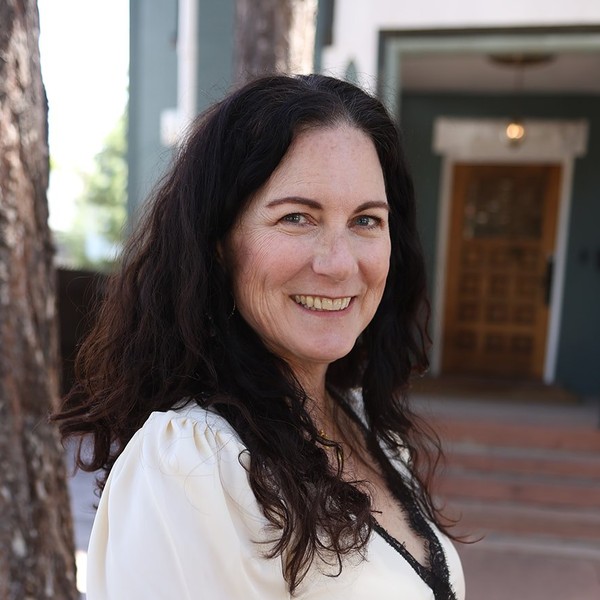
Dr. Gina Terinoni is a Doctor of Chinese Medicine (DACM), certified in integrative medicine through Dr. Aviva Romm’s Women’s Integrative and Functional Medicine program. She has helped more than 2,000 women and couples on their fertility journeys since 2001, and she had her own son at 42. More about Dr. Gina.
Want my eyes on your own pattern?
If you’d like to know which of these six patterns is yours and what your body needs first, your Reveal is the place to start. You send me your intake and tongue photos, I record a personal audio review of your fertility pattern, and then we meet for one 30-minute Zoom call to answer your number one question. It’s $297. Learn about your Reveal here.
This article is for education and is not medical advice, diagnosis or treatment. No outcome is guaranteed. Please talk with your own doctor or qualified provider before making changes to your care.


Leave a Reply