In short: Period blood color on its own tells you very little about your fertility. Dark or brown blood at the start or end of your period is usually just older blood, and bright red is not automatically a good sign. What matters is the whole pattern: color across the period, flow, clots, cycle length and how you feel beforehand, read together.
If you’ve ever finished your period, looked down and searched “what does my period blood color mean for my fertility,” you’re not alone. Almost every chart online tells you the same thing: bright red is good, dark or brown is bad, clots are scary. When you’re over 35 and trying to conceive, every shade can feel like a verdict. There is a calmer, more useful way to read it.
I’ve been helping women and couples get pregnant since 2001, more than 2,000 of them, and I had my own son at 42. Your period is one of the clearest windows I have into your fertility pattern, when it’s read the right way.
Does period blood color affect fertility?
Not by itself. The viral color charts treat your blood like a paint sample: match the shade, read your fortune. But color standing alone is one of the weakest signals your body gives you, and some research following women trying to conceive suggests it doesn’t line up with fertility the way those charts claim. Color is tangled up with flow, timing and how long the blood sat before it left your body.
Here is what the common shades usually mean:
- Dark red or brown at the start or end: often completely normal. It’s older blood that took its time leaving.
- Bright red: fresh, flowing blood. Not a problem, but not proof that all is well either.
- Pale, pinkish or watery: worth noticing, especially if your flow is also light and short. It can sometimes go along with low iron or a depleted body.
- Very dark and thick with clots: worth noticing, especially if it comes with strong cramping.
Color is a clue. It is not a verdict. Looking at your period is smart. The mistake is reading one sign instead of the whole story.
Your action step: The next time you notice a color that worries you, write down the day of your period it appeared before deciding what it means.
What should you look at instead of color alone?
When I read a period, I look at five things together, because they only make sense as a set:
1. Color across the whole period
Not one moment, but how the color changes from the first day to the last.
2. Flow
Is it heavy and flooding, light and barely there, or steady?
3. Period blood clots
None, small, or large and stringy. Small clots on your heaviest days are common. Frequent large clots deserve a closer look.
4. Cycle length and timing
How many days from the first day of one period to the first day of the next, and how steady that number is.
5. How you feel in the days before
Cramping, breast tenderness, mood, feeling hot or cold, and how you’re sleeping.
Together, they paint a picture no single sign can. Pale, scant, watery blood with a short cycle and a wired but tired feeling tells one story. In Chinese medicine I’d call this a depleted, dry pattern: the body is running low on what it needs to build a rich lining. Dark, clotted, painful blood that arrives late and sluggish tells a completely different story. I’d call that a cold, stuck pattern, where circulation in the pelvis isn’t moving well. Same monthly event, opposite messages. Your period is a pattern, not a paint chip.
I think of a client of 39 who had been trying for three years with no diagnosis. Her bloodwork showed anemia, and her body had been asking for nourishment all along. With personalized herbs and diet changes, she was pregnant about three months later. Every woman is different, and I can’t promise that for anyone.
Your action step: If your periods are light, pale and short, ask your doctor to check your iron levels, including ferritin.
Does cycle length matter for getting pregnant?
This clue is rarely mentioned, and it may matter more than color. Research on women trying to conceive suggests that cycles that run very short or very long are linked with lower chances of conceiving each month. And consistency matters as much as the number. When your cycle swings widely from month to month, that swing is itself a signal.
It’s not a reason to panic. It’s a reason to look closer, because an unpredictable cycle is your body telling you its rhythm isn’t settling, and rhythm is something you can work with. I’ve seen this with night-shift doctors and flight attendants whose cycles became irregular. When we regulated their sleep, their cycles came back, and one was pregnant within four months of starting her herbal medicine. Every woman is different, and I can’t promise that for anyone. After 35, shifting cycles can also be an early sign of hormonal change, which I cover in can you still get pregnant in perimenopause.
Your action step: Count back through your last three to six cycles and note the shortest and longest. A wide gap is worth raising with your provider.
Why does your period matter for egg quality?
For years, women were told fertility decline is only about the eggs. But recent research looking closely at the ovary suggests the environment around the eggs, the surrounding cells, circulation and low-grade inflammation, shapes how well they mature. The soil matters, not just the seed. Your period is one of the few windows you have into that soil without a single lab test.
This is why I say you cannot out-supplement an untreated pattern. Each egg goes through roughly 90 days of final maturation, so the work you do now supports the eggs of the coming months. You can read more in how to improve egg quality after 35. And this isn’t only about a future baby. You deserve to feel well now.
Whether you’re trying naturally or preparing for IVF, IUI or a frozen embryo transfer, this work belongs in the months before. In my practice, herbal support is used before a medicated cycle and stopped once fertility medications begin. Chinese medicine works alongside your clinic and doctor, never instead of them.
Your action step: Before adding another supplement, spend two cycles learning what your period is telling you.
When should you see a doctor about your period?
Some changes aren’t a color question. They’re a care question. Please see your doctor promptly if you have:
- Very heavy bleeding, such as soaking through a pad or tampon every hour for several hours in a row
- Large clots, about the size of a quarter or bigger, especially if they keep coming
- Severe pain that stops you from going about your day or isn’t eased by your usual remedies
- Bleeding between periods, or feeling dizzy, faint or short of breath
These can point to fibroids, polyps, endometriosis, thyroid changes or anemia, all of which deserve proper testing. And if you’re 35 or older and have been trying for six months without success, US guidance recommends a fertility evaluation, sooner if you’re over 40.
Your action step: Starting with your next period, track the five signs together in one note for two cycles, and bring that note to your provider.
Frequently asked questions
Is brown period blood bad for fertility?
Usually not. Brown blood at the start or end of your period is typically older blood that took longer to leave the body. It’s worth mentioning to your provider if you have a lot of brown spotting before your period begins.
Are period blood clots normal?
Small clots on your heaviest days are common. Large clots, about the size of a quarter or bigger, or clots that come with very heavy bleeding or severe pain, should be checked by your doctor.
Can I improve my period pattern before trying to conceive?
Many women can, through sleep, nourishing food, stress care and support matched to their pattern. Give it at least two to three cycles, and work with your doctor on anything that needs testing.
About the author: Dr. Gina Terinoni, DACM
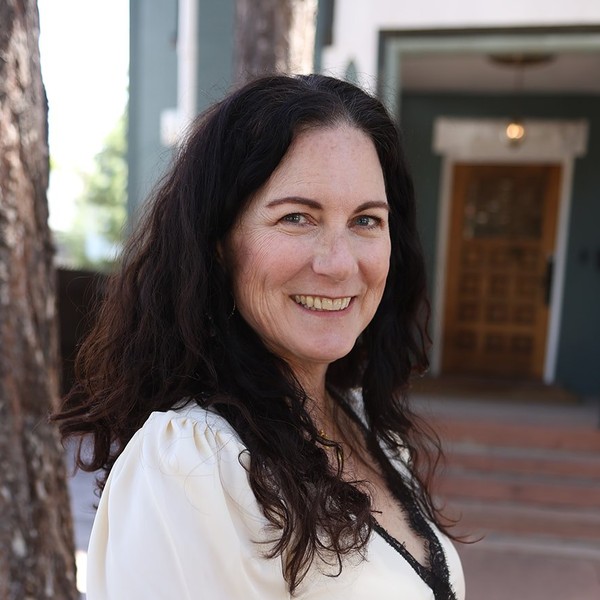
Dr. Gina Terinoni is a Doctor of Chinese Medicine (DACM), certified in integrative medicine through Dr. Aviva Romm’s Women’s Integrative and Functional Medicine program. She has helped more than 2,000 women and couples on their fertility journeys since 2001, and she had her own son at 42. More about Dr. Gina.
Want my eyes on your own period pattern?
If you’d like to know what your period, your cycle and your symptoms are saying about your fertility pattern, your Reveal is the place to start. You send me your intake and tongue photos, I record a personal audio review of your fertility pattern, and then we meet for one 30-minute Zoom call to answer your number one question. It’s $297. Learn about your Reveal here.
This article is for education and is not medical advice, diagnosis or treatment. No outcome is guaranteed. Please talk with your own doctor or qualified provider before making changes to your care.


Leave a Reply