In short: Yes, you can still get pregnant in perimenopause, because you are still having cycles and ovulating some months. Menopause is not reached until you’ve gone a full 12 months without a period. The most important sign you’re still fertile is fertile, egg-white cervical mucus in the middle of your cycle.
If you’re in perimenopause and part of you keeps wondering, “Is it even still possible for me, or have I already missed my chance?”, this post will answer that honestly. Can you still get pregnant in perimenopause? Yes, but not every month, and not without knowing what to look for.
After more than 25 years of helping women and couples conceive, and having my own son at 42, I want to show you the signs your body is still fertile, the signs your window is narrowing, and the single most important sign most women overlook.
Prefer to watch? Here is my video on this topic: TTC | Can I Still Conceive During Perimenopause?
Is perimenopause the end of your fertility?
No. Perimenopause is a transition, not a closed door. Menopause is a single point in time: one full year with no period at all. Perimenopause is the transition leading up to it, and it can last anywhere from a few years to the better part of a decade.
Throughout perimenopause, you are still having cycles, and where there are cycles, there is ovulation at least some of the time. Your ovaries don’t flip from on to off overnight. They wind down gradually, like a fire slowly burning lower. As long as there are embers, there’s warmth.
So the real question isn’t “Am I too old?” It’s “Am I still ovulating, and how do I catch the months I am?”
What are the signs you’re still fertile in perimenopause?
Your body is still giving you signals. You just have to know how to read them.
- You’re still getting periods, even irregular ones. Irregular is normal in perimenopause. Twelve straight months with no period is the line.
- Fertile cervical mucus. Clear, stretchy, slippery, egg-white texture mid-cycle. Your body is announcing that ovulation is coming.
- A temperature shift. If you chart your basal body temperature, a sustained rise after mid-cycle confirms an egg was released.
- Mid-cycle signs. A twinge or ache on one side, a bump in libido, or breast tenderness in the second half of your cycle.
- Consistent fertile mucus, cycle after cycle. This is the big one, and I’ll come back to it below.
When you’re seeing these signs, you still have a chance. Those are the cycles to focus your energy on.
What are the signs your fertile window is narrowing?
False hope helps no one, and you deserve the real picture. These signs suggest ovulation is happening less often:
- Cycles that stretch much longer and become very unpredictable
- Skipped periods
- A shorter and shorter second half of your cycle
- Frequent hot flashes and night sweats
- Cervical mucus drying up and rarely reaching that fertile, stretchy stage
Here’s how I want you to hold both truths at once: these signs are not a verdict. They’re a dashboard. They tell you how much runway you have and how precise you need to be, not that you should give up. That’s why I don’t give women generic “you’re 44, it’s over” advice. The dashboard is different for every body.
Why do two women the same age get opposite answers?
I’ll see two women, both 43, both in perimenopause, and their fertility picture is completely different.
One runs hot, dry and depleted: short cycles, scant fluid, night sweats. The well is running low, and she needs nourishing, cooling, moistening support to refill it.
The other runs cold and sluggish: long, heavy, slow cycles, low morning temperatures, cold hands and feet. Things pool and slow down, and she needs warming and movement to get things flowing again.
Hand each of them the same generic protocol, and you’d help one and set the other back. This is what I mean when I say you cannot out-supplement an untreated pattern, and it’s why I call myself a Fertility Detective. Your age is one data point. Your pattern is the map.
If you’re also working with a fertility clinic, Chinese medicine works alongside your clinic, never instead of it. I use herbal support in the months before an IVF, IUI or FET cycle and stop herbs once fertility medications begin.
What is the most important sign you can still conceive?
Consistent, fertile cervical mucus. Not the calendar, not your age, not even a perfectly regular period. Fertile mucus is your body telling you, in real time, that this cycle can support conception. It helps sperm survive and travel, and it shows up as ovulation approaches. Learn to spot it and you’ll know exactly which months to focus on.
What should you do this week?
For the next few cycles, become a detective of your own fertile mucus. Check daily, and note when it turns clear, stretchy and slippery. That’s your personal green light. In perimenopause, catching those windows is far more powerful than trying randomly all month and burning out.
And protect the foundation: warmth, sleep, blood sugar and stress, because those shape the eggs developing right now. You’re not out of time. You’re in a different, more precise season, and precision is something you can learn.
Frequently asked questions
How likely is it to get pregnant in perimenopause?
It depends on how often you’re still ovulating, your egg quality and your overall health, so there’s no single number that fits everyone. If you’re still cycling and seeing fertile signs, pregnancy is possible.
Can you get pregnant with irregular periods in perimenopause?
Yes. Irregular periods usually mean you ovulate in some cycles and not others. Tracking cervical mucus helps you find the cycles when you do.
Do I need birth control in perimenopause if I don’t want to get pregnant?
Yes. Because pregnancy is still possible, most guidelines advise using contraception until you’ve gone a full 12 months without a period, or as your doctor advises.
Should I see a doctor if I’m trying to conceive in perimenopause?
Yes. Women 35 and older are advised to seek an evaluation after six months of trying, and women over 40 sooner. A doctor can check hormones, confirm ovulation and talk through your options.
About the author: Dr. Gina Terinoni, DACM
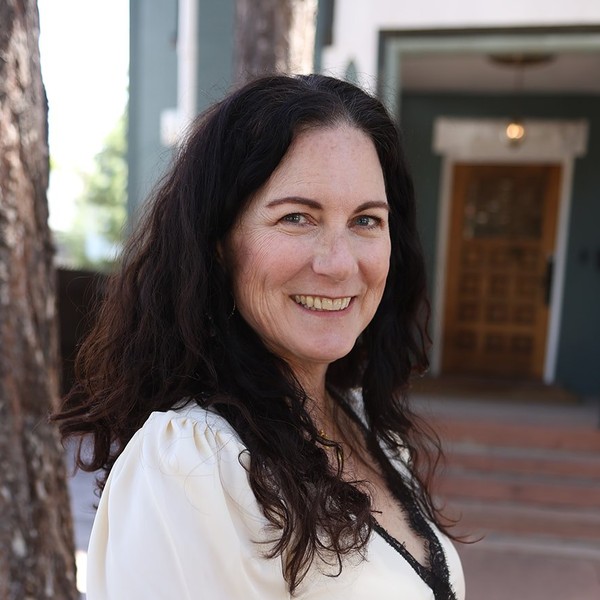
Dr. Gina Terinoni is a Doctor of Chinese Medicine (DACM), certified in integrative medicine through Dr. Aviva Romm’s Women’s Integrative and Functional Medicine program. She has helped more than 2,000 women and couples on their fertility journeys since 2001, and she had her own son at 42. More about Dr. Gina.
Want to know what your body is telling you?
If you’d like me to read your own signs and pattern with you, your Reveal is the place to start. You send me your intake and tongue photos, I record a personal audio review of your fertility pattern, and then we meet for one 30-minute Zoom call to answer your number one question. It’s $297. Learn about your Reveal here.
This article is for education and is not medical advice, diagnosis or treatment. No outcome is guaranteed. Please talk with your own doctor or qualified provider before making changes to your care.


Leave a Reply